
What is Vermicompost?
Blog post description.
Raj Singh
11/10/20252 min read
What Is Vermicompost? A Beginner’s Guide to the Organic Fertilizer Every Gardener Needs
If you’re exploring natural ways to improve soil health and boost plant growth, you’ve likely come across the term vermicompost. This eco-friendly, nutrient-rich organic fertilizer is becoming a favorite among gardeners, farmers, and plant lovers. In this beginner’s guide, we explain what vermicompost is, how it benefits your plants, and why it’s considered one of the most powerful soil amendments for sustainable gardening.
What Is Vermicompost? (Definition)
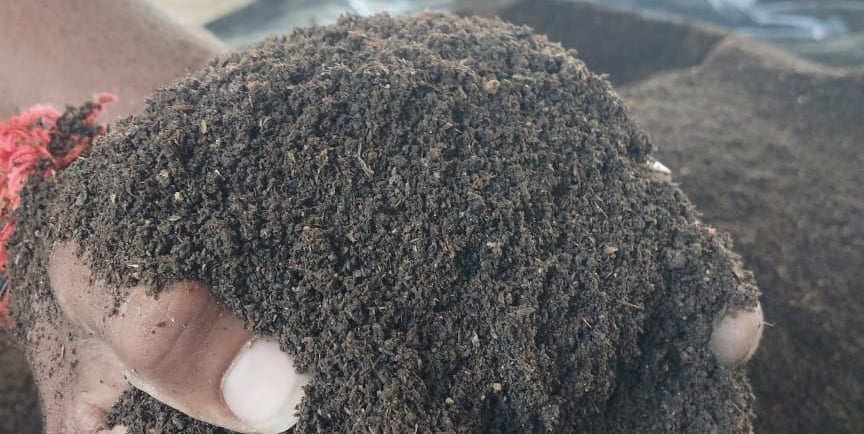
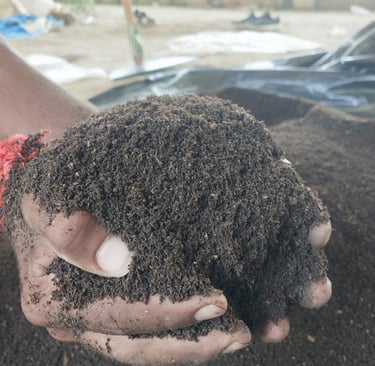
Vermicompost is an organic fertilizer produced by earthworms as they break down biodegradable waste into nutrient-dense, microbe-rich compost. The final product—often called worm castings—is a dark, soil-like material loaded with essential plant nutrients and beneficial microorganisms.
Unlike chemical fertilizers, vermicompost enhances both plant growth and long-term soil fertility, making it ideal for organic gardening and regenerative farming.
Why Vermicompost Is Different From Regular Compost
Although both compost and vermicompost improve soil quality, vermicompost is:
Finer and more nutrient-rich
Easier for plants to absorb (high nutrient availability)
Packed with beneficial microbes
Rich in natural growth hormones
Odor-free and safe for all plants
This unique combination makes vermicompost one of the best all-purpose organic fertilizers for beginners.
Top Benefits of Vermicompost for Plants and Soil
1. High in Essential Nutrients
Vermicompost contains naturally balanced levels of nitrogen, phosphorus, potassium (NPK), calcium, magnesium, and trace minerals. These nutrients are in forms that plants can absorb quickly, helping them grow stronger and healthier.
2. Improves Soil Structure
Adding vermicompost to your soil improves:
Water retention
Soil aeration
Drainage
Root penetration
It works equally well in sandy, clay, and mixed soils.
3. Boosts Microbial Activity
Worm castings introduce beneficial bacteria and enzymes into the soil, promoting better nutrient cycling and breaking down organic matter efficiently.
4. Enhances Plant Growth Naturally
Vermicompost contains natural growth stimulators—like auxins and cytokinins—that encourage robust root development and faster plant growth without synthetic chemicals.
5. Safe and Eco-Friendly
Since it’s completely organic, vermicompost is safe for:
Indoor plants
Seedlings
Vegetable gardens
Flowering plants
Potted plants
It won’t burn roots or damage soil ecosystems.
How to Identify High-Quality Vermicompost
When buying or using vermicompost, look for the following qualities:
Dark brown or black color
Crumbly, fine texture
Moist but not soggy
Earthy smell (not rotten or sour)
Good vermicompost should resemble rich forest soil.
How to Use Vermicompost (Beginner-Friendly Tips)
A little vermicompost goes a long way. Here’s how to use it effectively:
Mix 10–20% vermicompost with potting soil for indoor and outdoor plants
Top-dress garden beds with 1–2 cm of vermicompost
Add a handful into planting holes for seedlings and transplants
Brew vermicompost tea for liquid fertilizer and foliar spray
These methods support healthier roots, better nutrient uptake, and stronger plants overall.
Why Gardeners Prefer Vermicompost Over Chemical Fertilizers
Modern gardeners and organic farmers are shifting to vermicompost because it:
Builds long-term soil fertility
Reduces reliance on synthetic fertilizers
Helps plants resist pests and diseases
Supports sustainable and eco-friendly gardening
It’s one of the simplest ways to grow healthier plants while protecting the environment.
Conclusion: Vermicompost Is the Ultimate Organic Fertilizer for Beginners
Vermicompost is a powerful, natural soil amendment created by earthworms that improves soil health, boosts plant growth, and supports sustainable gardening. Whether you're growing vegetables, houseplants, flowers, or herbs, vermicompost is one of the safest and most effective organic fertilizers you can add to your gardening routine.